



These new-build house plans feature thoughtful layouts, functional spaces, and ideas that work for real, everyday family life.
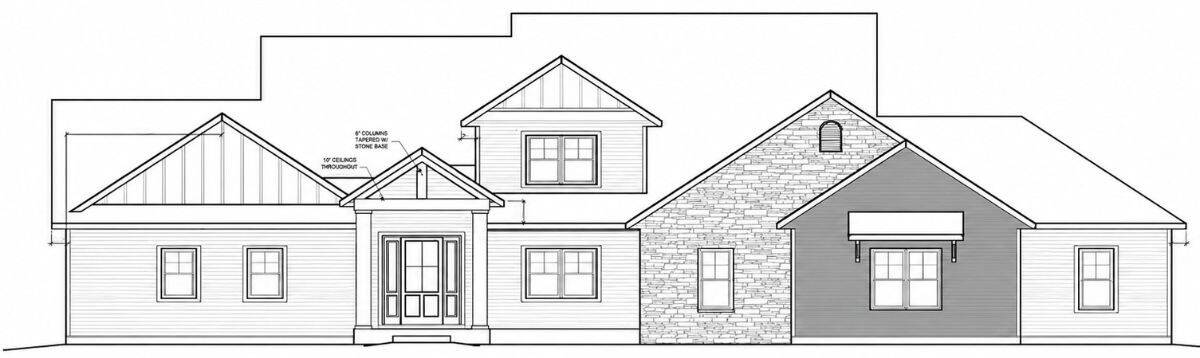
Ever since sharing the news about building a new home, one of the biggest questions has been about the floor plans and the overall house plan process.
Choosing a layout is honestly one of the most important parts of building because it affects how the home functions every single day.
From kitchen flow and storage to ensuring everyone has enough personal space, every decision starts with the blueprint.
If you are currently looking at new house plans, this post outlines the process for designing a home that truly fits your family and lifestyle.
Jump to:
- Designing a Floor Plan
- Start With Your Must-Haves
- A Helpful Exercise Before Finalizing Floor Plans
- Square Footage and Room Layouts
- Main Living Areas and Open Floor Plans
- Functional Spaces Matter More Than People Expect
- Planning Bedrooms and Furniture Layouts
- Working With Architects and Builders
- More New Build Ideas
Designing a Floor Plan
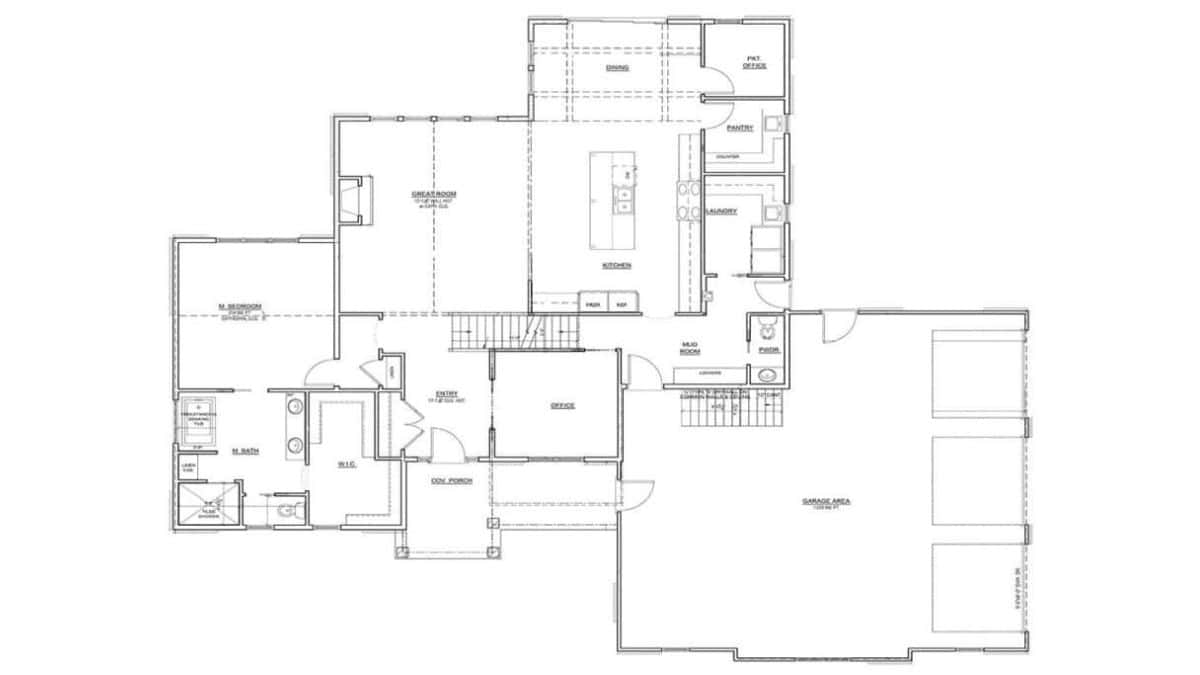
This home ended up falling somewhere between a semi-custom build and a fully custom home design. The builder already offered several home plans, but they also allowed buyers to work alongside architects to make major changes and personalize the layout.
There was one existing house plan that had a lot of the right starting points, especially in the kitchen, dining, and living room layout. Instead of starting completely from scratch, the original floor plans were heavily modified to better fit how the family actually lives day to day.
One feature that immediately stood out was the side exterior door. It may sound simple, but little things like that can completely change how functional a home feels. Having a separate entry for kids coming in and out helped avoid shoes, backpacks, and sports gear piling up around the kitchen and dining areas.
That is one of the biggest lessons when designing a home. Sometimes the smallest details end up mattering the most.
Start With Your Must-Haves
Before getting lost in Pinterest inspiration and scrolling through endless project plans online, it helps to sit down and figure out what truly matters for your own family.
It is very easy to get distracted by trends and beautiful photos online. Social media can make it seem like everyone needs a massive pantry, an oversized laundry room, or a dramatic entryway.
But the best floor plans are not necessarily the fanciest ones. They are the ones that support the way your family naturally functions.
For this home, the must-have list included:
- Spacious living room
- Large kitchen island
- Main floor primary bedroom
- Nothing above the primary bedroom
- Side exterior door
- Mudroom
- Walk-in pantry
- Home office
- Pocket office
- Freestanding tub
- Drinking fountain
Some of those priorities may sound practical, while others may seem random, but that is exactly the point. A house plan should reflect the people living in it.
A Helpful Exercise Before Finalizing Floor Plans
One of the best tips during the planning process was to mentally walk through everyday life inside the future home.
Instead of focusing only on square footage or pretty finishes, think about routines. Imagine arriving home with groceries. Picture where shoes and backpacks go. Think about where laundry piles up, where homework happens, and how everyone naturally moves through the house.
Questions like these make a huge difference:
Where is the first place everyone enters the home?
Where do coats, bags, and keys land?
How far is the pantry from the garage?
Where does laundry happen most often?
How much noise travels between bedrooms?
Thinking through real-life scenarios helps create floor plans that feel comfortable rather than frustrating later.
Square Footage and Room Layouts
Not every family wants a giant house, and honestly, bigger is not always better. Cleaning and maintaining thousands of extra square feet can quickly become overwhelming.
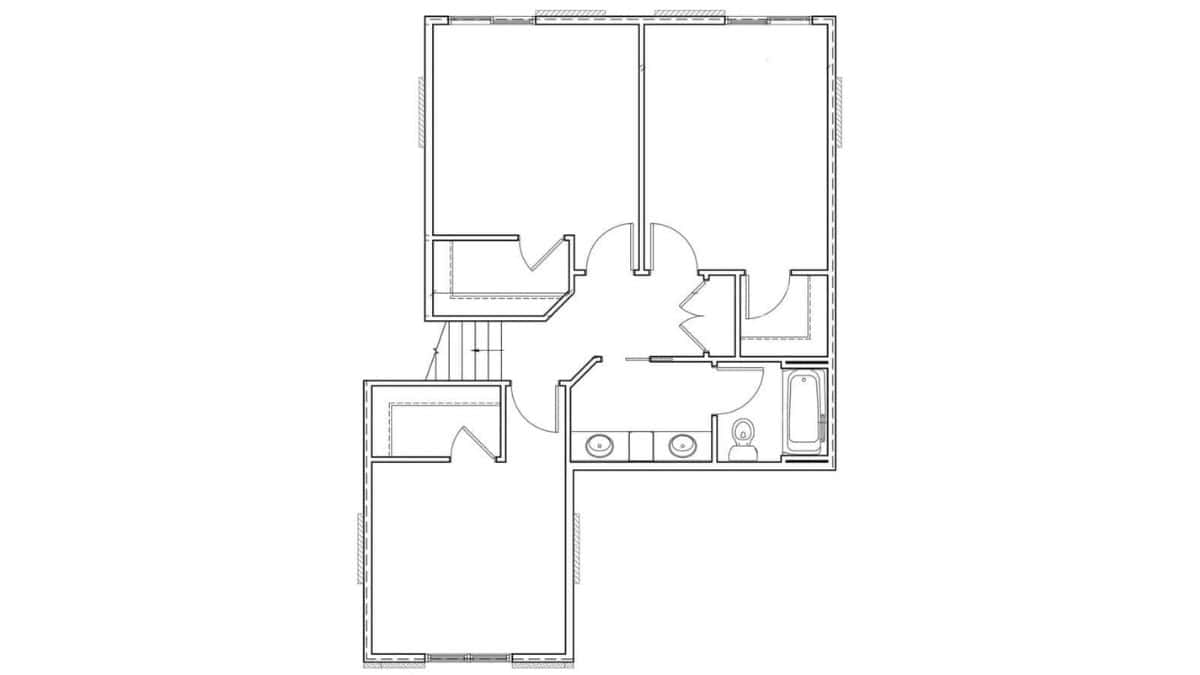
This particular home ended up being about 2,850 square feet with a 1.5-story layout. The main floor held most of the living spaces, while the second floor provided additional bedrooms and flexible space for the kids.
There was also an unfinished basement space planned for the future. That extra area created room for possibilities later on, like a rec room, hangout space for teenagers, or even a future guest or studio apartment setup if needed.
One thing that mattered more than overall square footage was making each room feel spacious and functional. A smaller home with smart design often feels better than a huge home with wasted space.
Main Living Areas and Open Floor Plans
When designing the main living spaces, several popular layout options are worth considering.
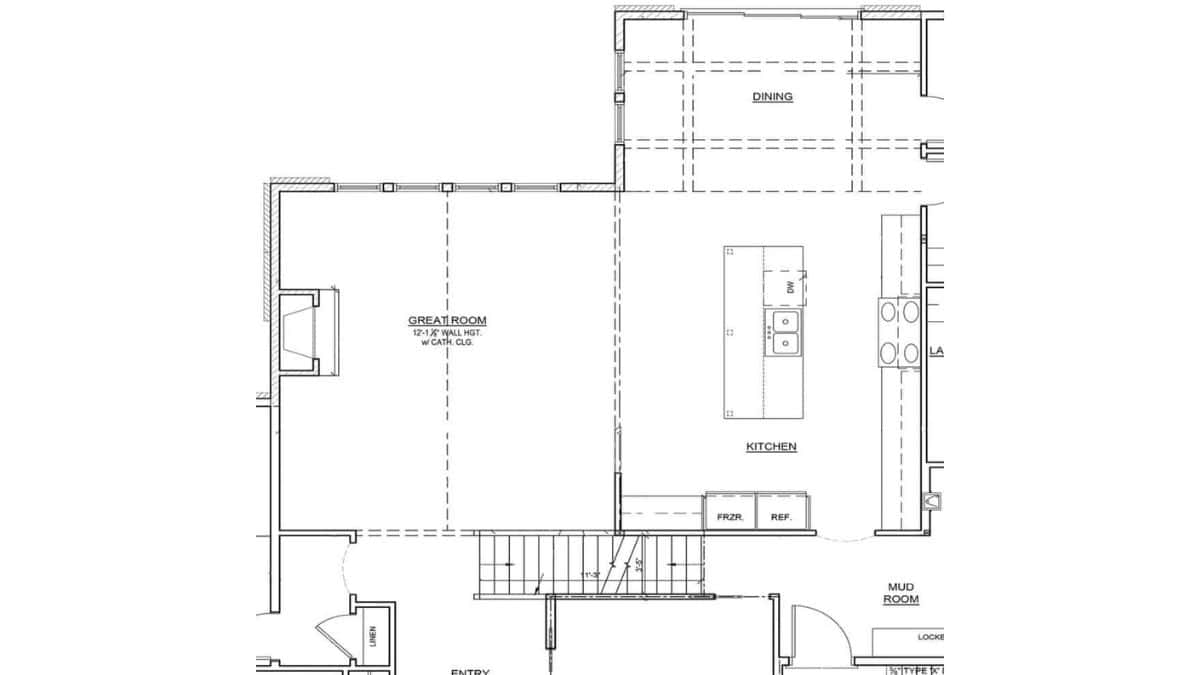
The layout chosen for this home featured an L-shaped arrangement among the kitchen, dining room, and living room. This type of open floor plan keeps the spaces connected while still giving each area its own purpose.
Another common option places the dining room directly between the kitchen and the living room. Some families also prefer completely separated rooms, which can create a quieter and more formal feel.
There is not really a right or wrong answer here. The best layout depends entirely on how the family uses the space.
For this home, keeping the kitchen connected to the main living area made the most sense because it allowed the home's center to remain active and connected during busy family life.
Functional Spaces Matter More Than People Expect
Once the main layout is chosen, the smaller functional spaces become incredibly important.
Things like mudrooms, laundry rooms, bathrooms, and pantry placement may not sound exciting at first, but these are the spaces that make everyday life easier.
Laundry Room
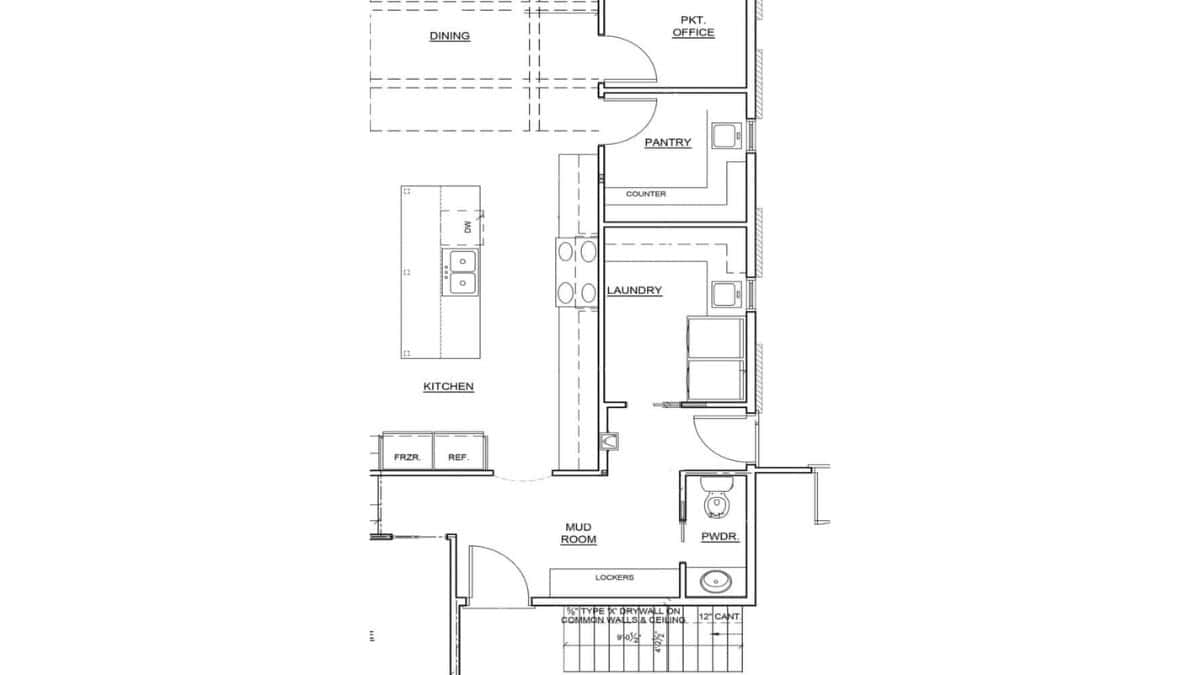
The laundry room was intentionally placed near the back entry and kitchen area because that is where most daily activity happens.
While some people prefer laundry rooms near the bedrooms, this setup made more sense for how the household functioned.
Mudroom
The mudroom became one area where balancing priorities was tricky. Part of the space was sacrificed to fit a nearby half bathroom, but the final setup still worked well for everyday storage and organization.
There were also plans to eventually add lockers after living in the space awhile and figuring out what worked best.
Pantry
A walk-in pantry was high on the priority list because keeping small appliances off the kitchen counters was important for maintaining a cleaner look.
Even a modest pantry can completely improve how a kitchen functions.
Bathrooms
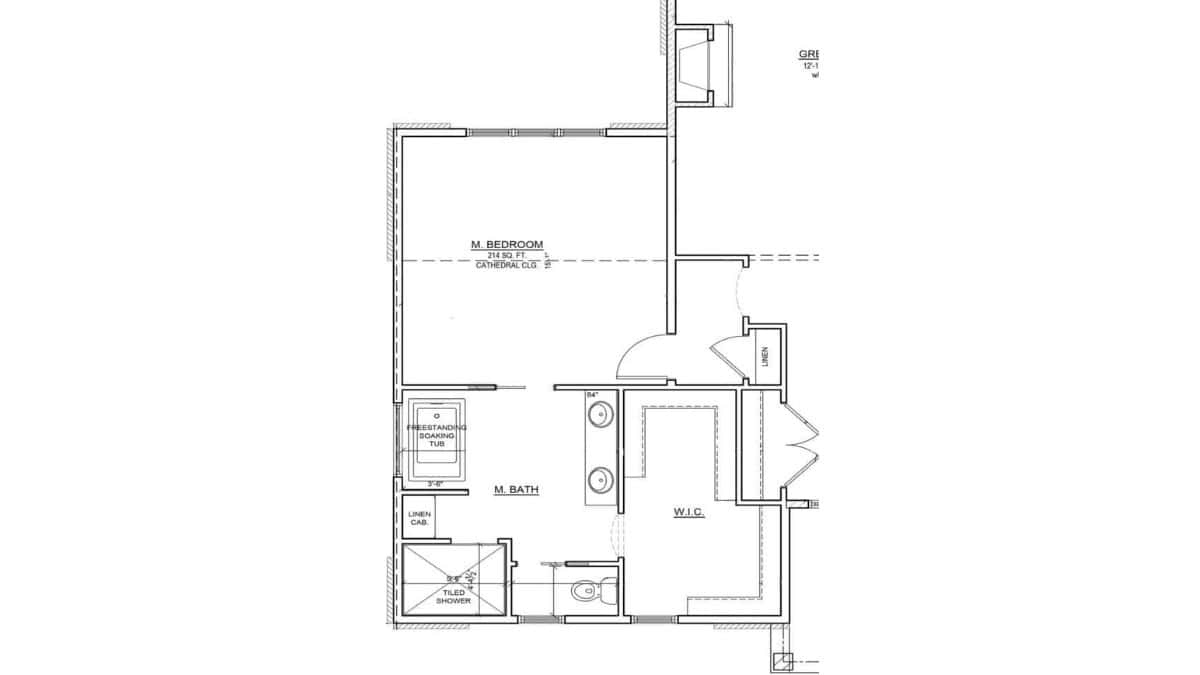
Bathroom layouts were designed with privacy and functionality in mind. The primary bathroom included a freestanding tub, connected closet access, and a separate water closet for the toilet.
The kids' bathroom also kept the sink area separate so multiple people could use the space at the same time without getting in each other's way.
Planning Bedrooms and Furniture Layouts
Bedrooms may seem straightforward, but furniture placement matters more than people realize during the design process.
Before finalizing room sizes, it helps to think about bed sizes, dressers, benches, and overall furniture flow. Even rough furniture mockups can help avoid awkward spacing later.
Sometimes a room may look large on a blueprint but feel cramped once furniture is added.
Primary Bedroom
One priority was keeping the primary bedroom separate from the noisier areas of the home.
Having nothing directly above the bedroom also helped reduce noise from upstairs at night.
Working With Architects and Builders
After narrowing down ideas and priorities, it is finally time to sit down with the professionals.
Architects and builders bring a completely different perspective to floor plans and often suggest ideas people never would have considered on their own. Keeping an open mind during those conversations is helpful, but it is also important to speak up when something matters to you.
This particular planning process took months to finalize, and small adjustments were still happening after construction had already started. That part may not make builders especially happy, but it is pretty common once people start to see the spaces come to life.
At the end of the day, designing a home is about creating a space that supports your real life, not just something that looks pretty on paper.
More New Build Ideas
Building a home comes with so many decisions, but it is also one of the most exciting parts of the process.
Here are a few more home and design projects for extra inspiration along the way.


Jennifer Johns
Wow, great custom floor plans. Good resource for anyone building a new home.
Sarah
This is surely gonna help me out to plan the new kitchen that I was looking to upgrade for a long now. Truly appreciate your efforts here.
hadi
This is surely gonna help me out to plan the new kitchen that I was looking to upgrade for a long now. Truly appreciate your efforts here. thanks for sharing this article.
Gabby
Very Good Post Thank You