

Hair loss can be hard for women with thin hair. Guest writer Kenzie Moon shares her story and what she's learned about hair extensions.

Thinning hair can be tough, especially when you're not sure extensions will help or make it worse.
Today, I'm excited to welcome Kenzie Moon, founder of Wefts + Waves, to share her own story with hair loss.
Kenzie knows firsthand what it's like to have thinning hair, and she's sharing her best tips for caring for it and finding the right stylist.
I'll let Kenzie take it from here!
Jump to:
- Thinning Hair and Extensions: What I Wish Someone Had Told Me
- How to Take Care of Thinning Hair Every Day
- How to Find a Stylist Who Understands Thin Hair
- Hair Products and Tools I Actually Use
- If You're Thinking About Getting Hair Extensions
- Connect With Kenzie at Wefts + Waves
- Need help with thinning hair?
Thinning Hair and Extensions: What I Wish Someone Had Told Me
By Kenzie Moon, Founder of Wefts + Waves
I know what it's like to have thinning hair and wonder if extensions will make it worse. Here's what I've learned from my own hair loss journey.
I didn't plan on doing hair. A friend talked me into taking a couple of cosmetology classes in high school for fun, and after graduation, I took a break.
A couple of years later, in 2018, I was diagnosed with hereditary hair loss. That changed everything for me.

The first thing I did was chop my hair short. Anything to make it look less thin.
The hairstylist who gave me that haircut took her time. She calmed my nerves and made me feel beautiful on a day I really didn't feel that way.
I walked out of that salon, went straight to my local hair school, and enrolled.
Once I started putting extensions in my own clients' hair, I saw how much their confidence changed.
That was exactly what I wanted, but I was nervous. What if extensions made my thin hair even worse?
Eventually, I decided to try them, and the minute they were in, I wished I'd done it sooner.
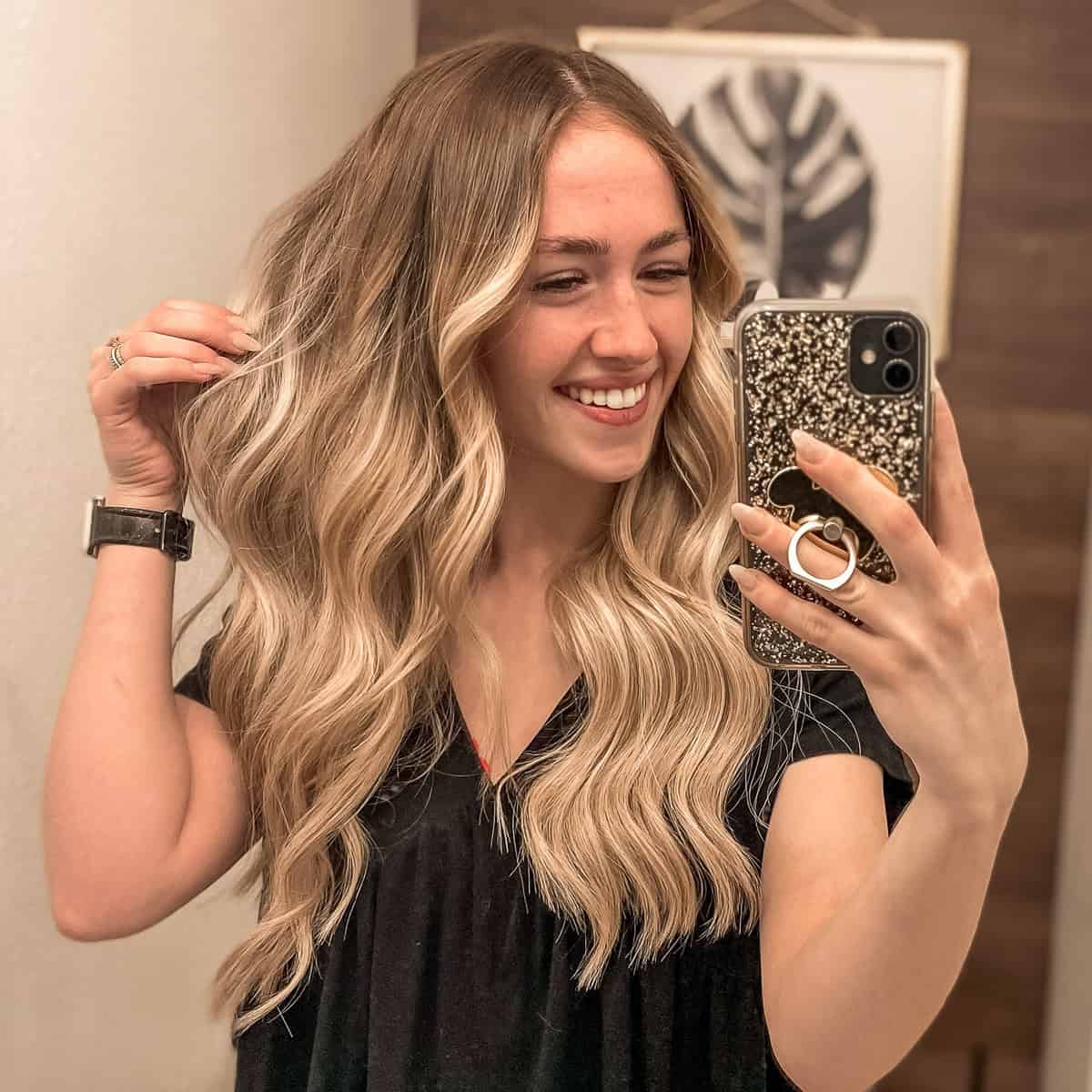
That's how Wefts + Waves started.
In 2021, I began making hair for my own salon clients and packing orders at night. Now we sell hair to licensed stylists nationwide, and my husband, Zak, runs our shipping.
I also teach other stylists the beaded weft method I made for fine hair. I want more women with thin hair to have someone who knows how to work with it.
Here's what I tell my clients with thinning hair.
How to Take Care of Thinning Hair Every Day
When your hair is thin, small daily habits can make a big difference.
Be gentle with wet hair. Wet hair stretches and breaks more easily, so take your time when brushing. Start at the ends and work your way up with a wide-tooth comb or a soft brush.
Keep the heat down. Use a heat protectant each time you style your hair with heat. Choose the lowest heat setting that still works for you.
Watch how tight you pull your hair. Tight ponytails, buns, and clips in the same spot every day can pull on already-weak hair. Change up your styles and keep them loose.
Protect your hair while you sleep. Sleep on a silk or satin pillowcase, or put your hair in a loose braid. This can reduce rubbing and tangles.
Talk to your doctor about hair loss. Thin hair can have many causes, including genetics and hormonal changes. Some causes are treatable, so it's worth getting checked. A stylist can help your hair look fuller, but we can't tell you why it's thinning.
I also avoid heavy, tight extensions on hair that can't support the extra weight.
If an install leaves my scalp sore for days, that's a problem. I also avoid leaving extension rows in the same spot for months without having them moved up.
The goal is to make your hair look fuller while still taking good care of the hair you have.
How to Find a Stylist Who Understands Thin Hair
This part matters more than the hair itself.
Extensions done well don't always make thinning worse. But too much weight or pulling on thin hair can lead to breakage and more hair loss.
Before getting extensions, book an appointment with a stylist experienced with thin hair.
Ask to see photos of their extension work, especially on clients with fine or thinning hair.
You want someone who knows how to work with your hair type and can help you choose the right amount.
Here are a few questions I would ask during your visit.
Are you trained in the method you use?
You want someone who knows how to install the type of extensions they plan to use.
How much hair do you plan to add, and why?
More hair isn't always better. Your stylist should be able to tell you how much weight your own hair can hold.
How will you keep my own hair healthy underneath?
A good stylist should have a plan to care for your natural hair, not just make it look fuller.
How often will I need to come back to have my extensions moved up?
Extensions need regular care as your hair grows. Ask what that will look like before you book.
Can I see what your work looks like when it's grown out?
Fresh extensions can look great, but it's also good to see how they hold up between visits.
A good stylist will be honest about what your hair can hold, even if the answer is less hair than you wanted.
You may want extra length, more volume, or better coverage in thin areas. Your stylist should help you choose what works for your hair instead of adding more than it can hold.
Watch out for a stylist who skips the first visit to talk about your hair or puts in a row that feels too tight from day one.
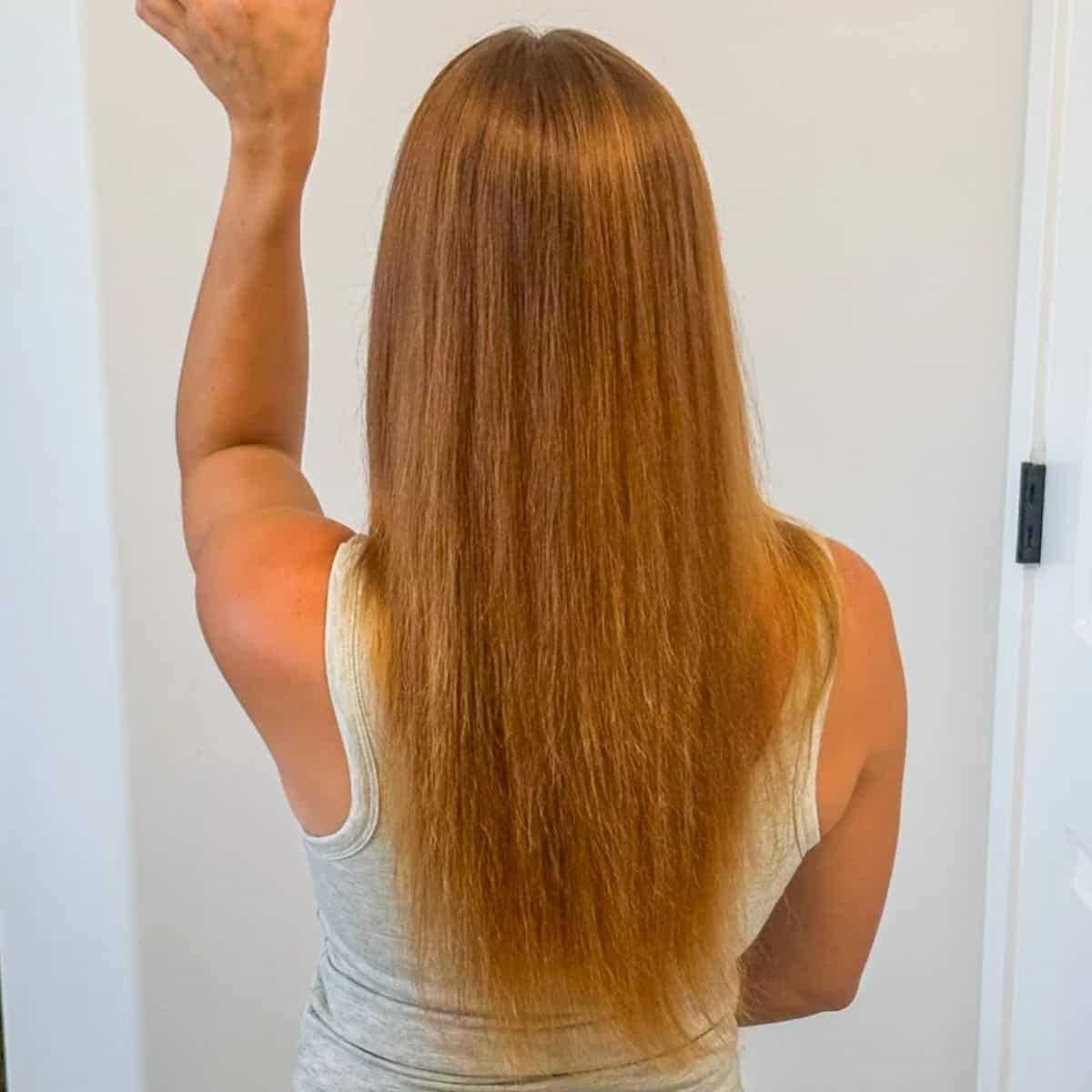
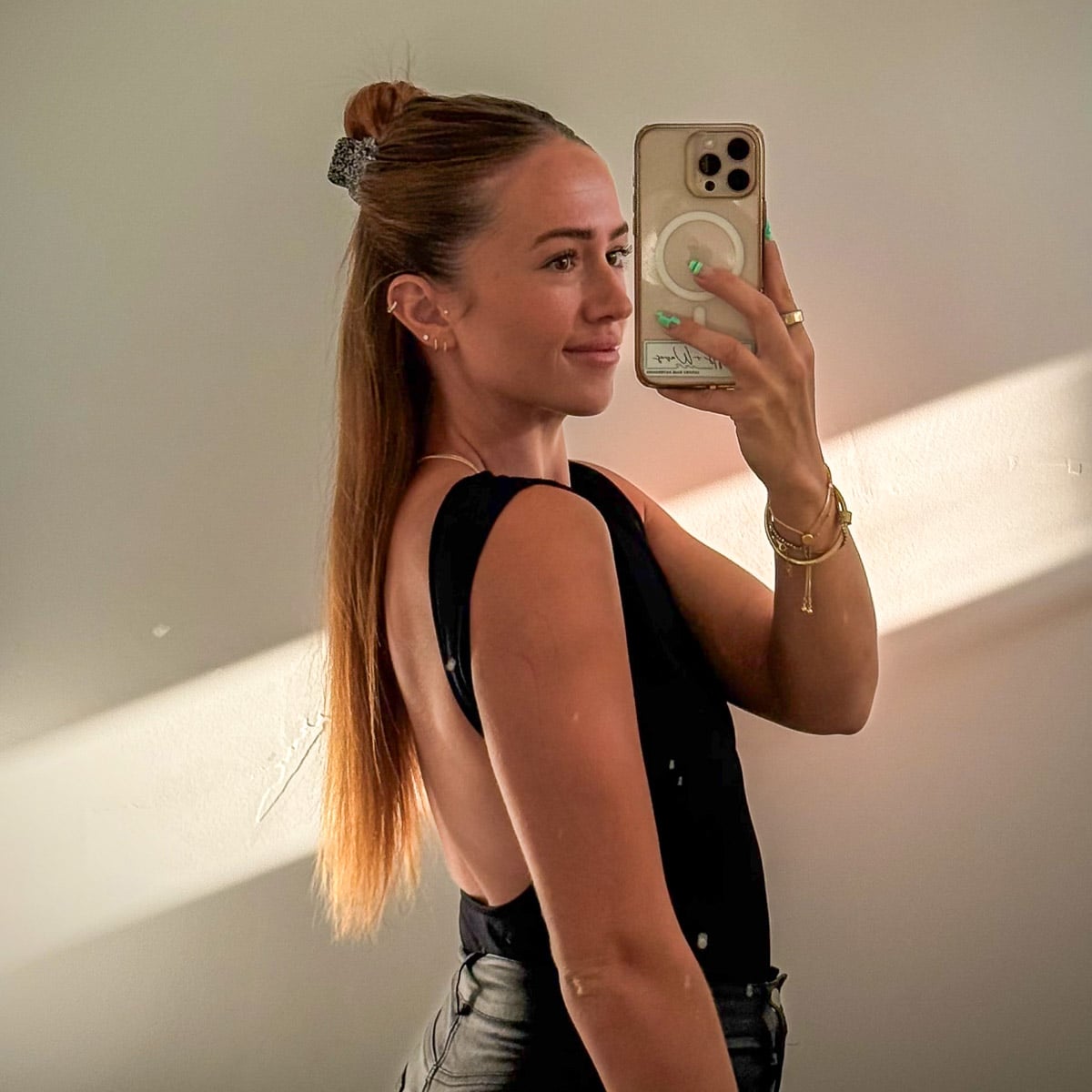
Signs Your Hair Extensions May Be Causing Problems
After you get your extensions, pay attention to how your scalp and hair feel.
Watch for soreness near the row that lasts more than a few days, redness, bumps, or more shedding than usual where the hair is attached.
Slipping rows can also signal that something isn't right.
If you notice any of these problems, contact your stylist. Don't wait until your next visit if the extensions pull or cause pain. If you have redness, bumps, or ongoing hair loss, see your stylist.
And extensions aren't for everyone.
If your scalp is sore or you don't have enough hair to hold and hide a row, a topper or wig may be the kinder choice.
There's no shame in that.
Hair Products and Tools I Actually Use
These are some of my favorite products and tools for caring for fine hair and styling extensions.
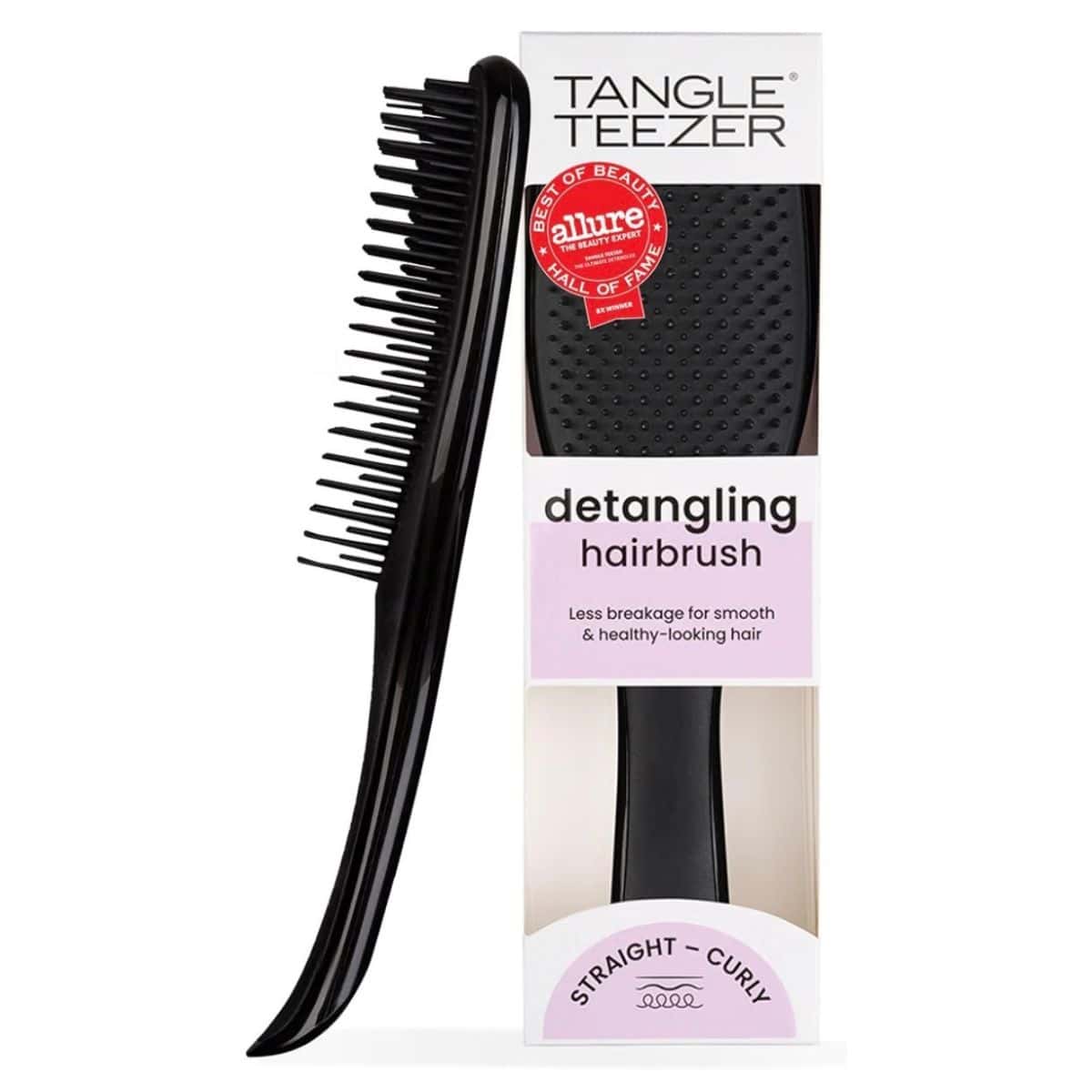
Tangle Teezer Brush
The Tangle Teezer brush is gentle on hair and helps reduce breakage when brushing.
I like using a gentle brush because thin hair needs extra care, especially when working through tangles.
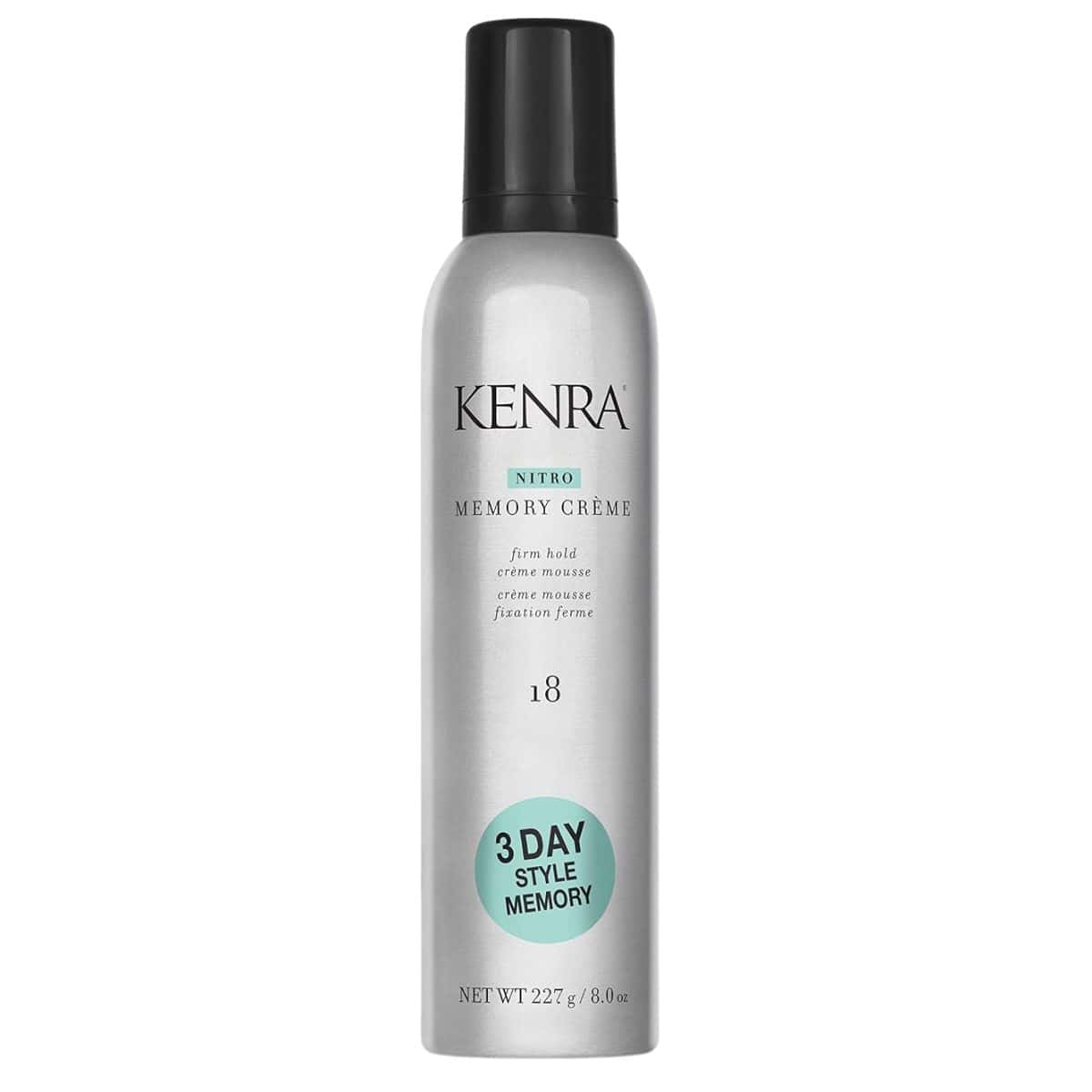
Kenra Nitro Memory Crème
Kenra Nitro Memory Crème is great for fine hair.
It adds body and volume while helping your style last up to three days.
I love products that add fullness to fine hair without weighing it down.
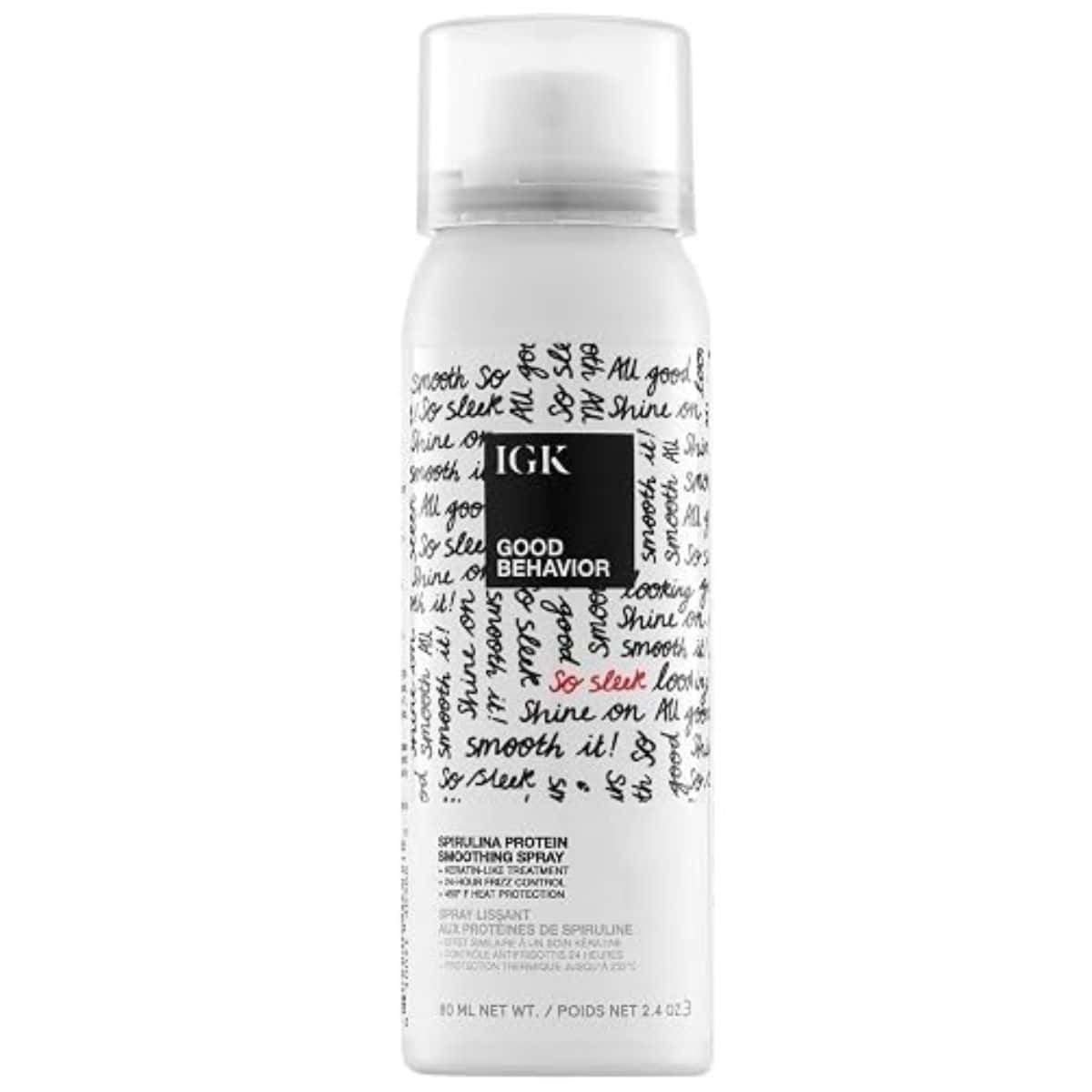
IGK Smoothing Spray
IGK Smoothing Spray is my favorite heat protectant.
It's light on my hair and doesn't leave that crunchy feeling some styling products can have.
I like that it helps protect my hair when I use heat styling.
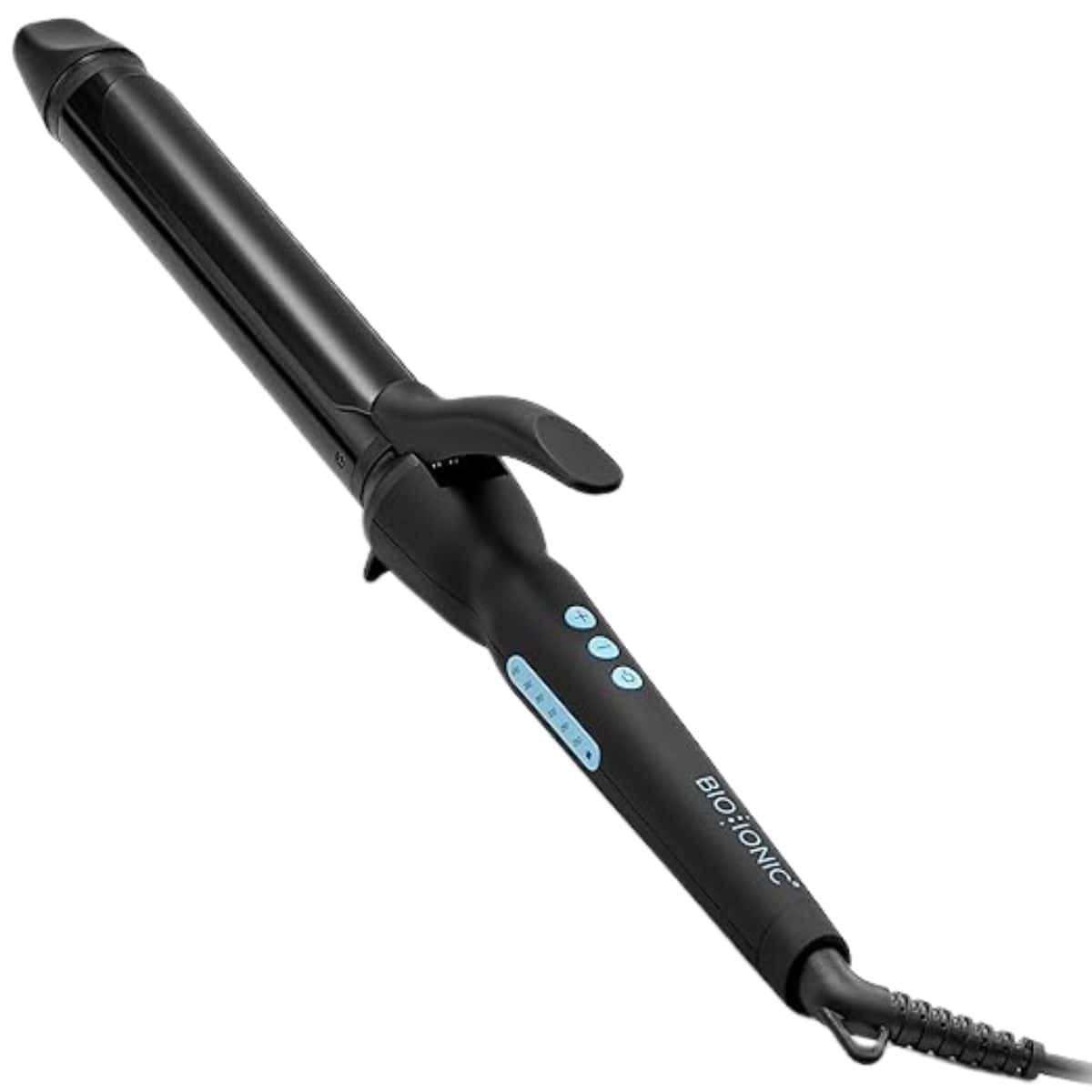
Bio Ionic Curling Iron
My favorite Bio Ionic curling iron size is 1¼ inches.
It curls hair really well, and I love that you can change the heat setting.
That way, you can use a lower heat setting when styling fine hair.
I like soft waves because they give my hair a fuller look without needing a lot of extra styling.
If You're Thinking About Getting Hair Extensions
I know how it feels to stand in front of the mirror and hate what you see.
Finding the right stylist changed that for me, and it can for you, too.
You don't have to rush into getting extensions. Start with a visit to talk about your hair, ask the questions above, and go from there.
Whether you want more volume, extra length, or a little help hiding thin areas, the right stylist should be honest about what your hair can handle.
The most important thing is finding someone who knows how to work with thin hair and will help you choose what feels right for you.
Connect With Kenzie at Wefts + Waves
You can find me on Instagram at @weftsandwaves.
If you're a licensed stylist who wants to learn how to work with fine and thinning hair, you can find my classes at weftsandwaves.com.
Thank you for letting me share my story!
Kenzie Moon
Need help with thinning hair?
Click a button below to ask AI how to care for thin hair and prevent breakage.